



 x 2)
x 2)Videos
Bacewicz x Bomsori | Trailer
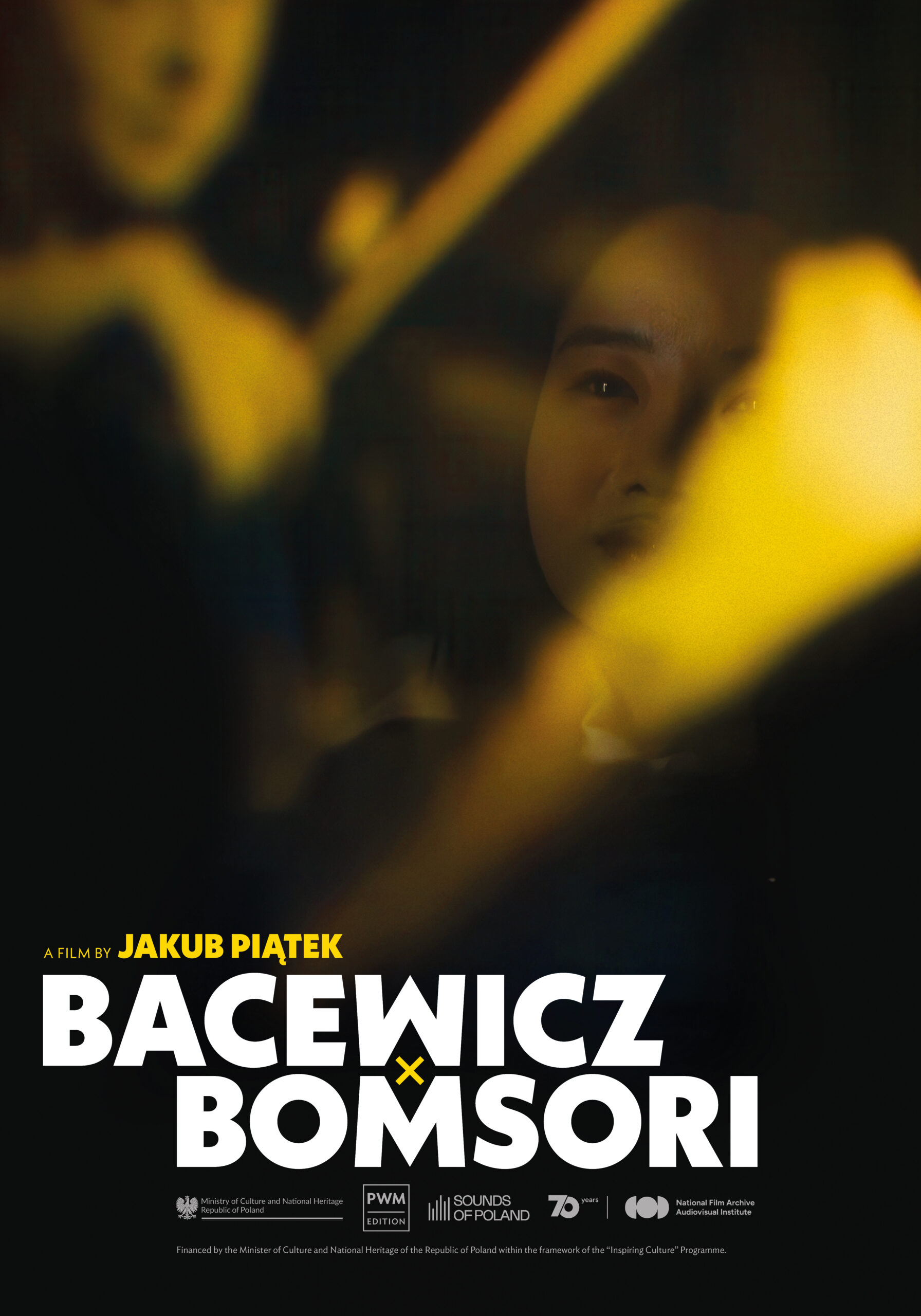
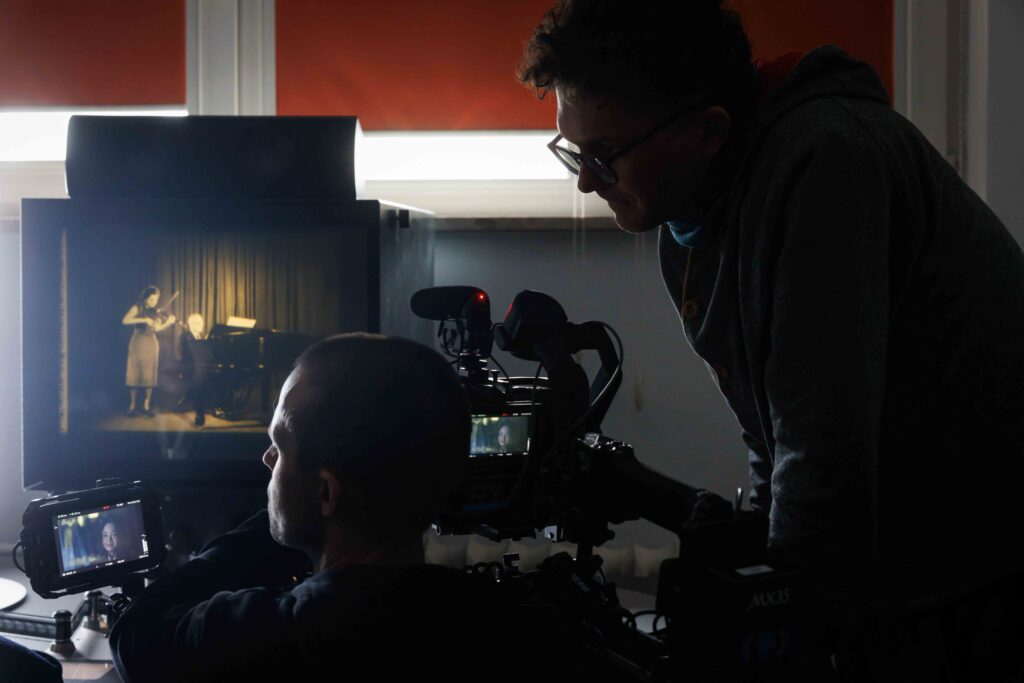
The "Bacewicz x Bomsori" film tells the story of outstanding South Korean violinist Bomsori Kim's preparing for a live performance of Grażyna Bacewicz's Polish Rhapsody for Violin and Orchestra in National Forum of Music in Wrocław, Poland on the 7th of March, 2025. While discovering the piece, the violinist simultaneously gets to know the composer better. The film reveals the story of the discovery of forgotten musical works and their bringing back to the stages. "Bacewicz x Bomsori" is an intimate portrait of concert violinist and musician who sacrifices a lot in the name of the art and music.

01
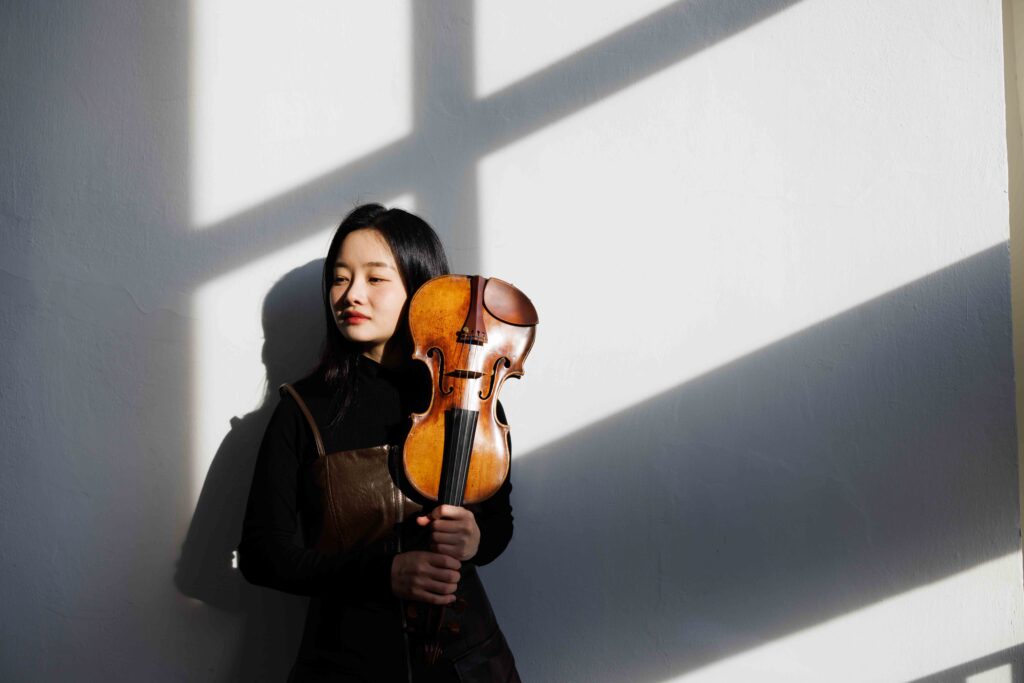
Frequent guest of the world’s most famous music venues (New York’s Carnegie Hall and Lincoln Center, Amsterdam’s Concertgebouw, London’s Royal Albert Hall and BBC Proms, Vienna’s Musikverein and Konzerthaus), in February 2021 Bomsori signed an exclusive contract with the prestigious Deutsche Grammophon label.
01
Frequent guest of the world’s most famous music venues (New York’s Carnegie Hall and Lincoln Center, Amsterdam’s Concertgebouw, London’s Royal Albert Hall and BBC Proms, Vienna’s Musikverein and Konzerthaus), in February 2021 Bomsori signed an exclusive contract with the prestigious Deutsche Grammophon label.
ambassadors
Artists
Bomsori Kim
Frequent guest of the world’s most famous music venues (New York’s Carnegie Hall and Lincoln Center, Amsterdam’s Concertgebouw, London’s Royal Albert Hall and BBC Proms, Vienna’s Musikverein and Konzerthaus), in February 2021 Bomsori signed an exclusive contract with the prestigious Deutsche Grammophon label.

News
02


Our partners




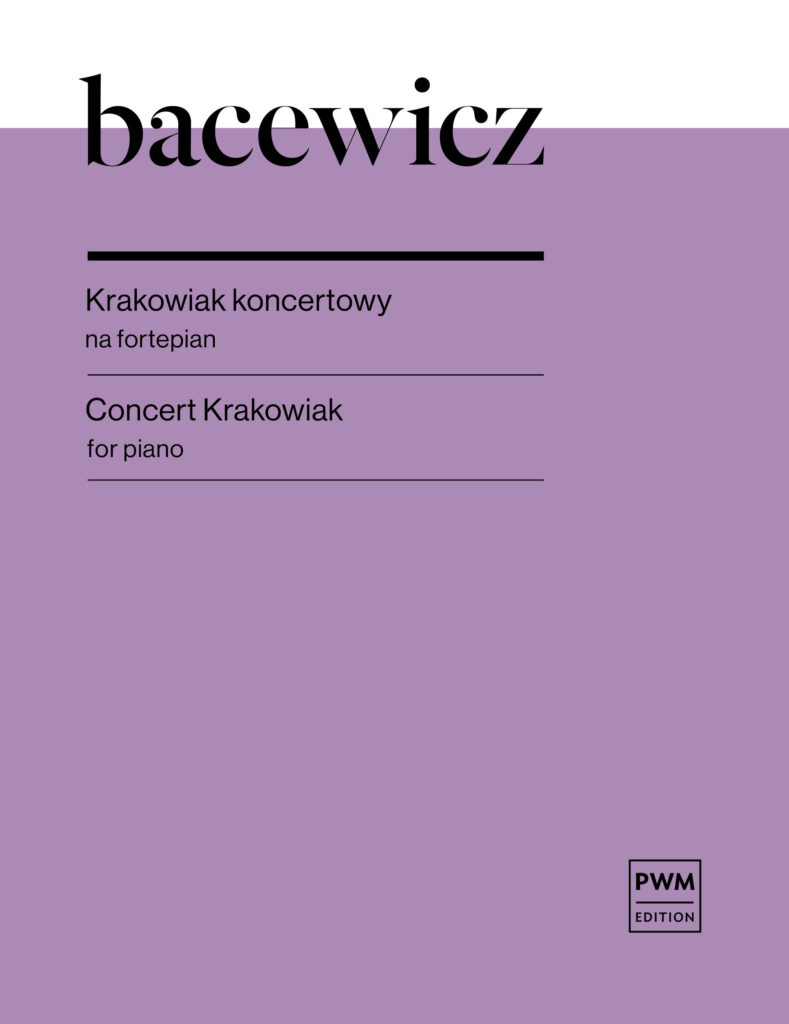
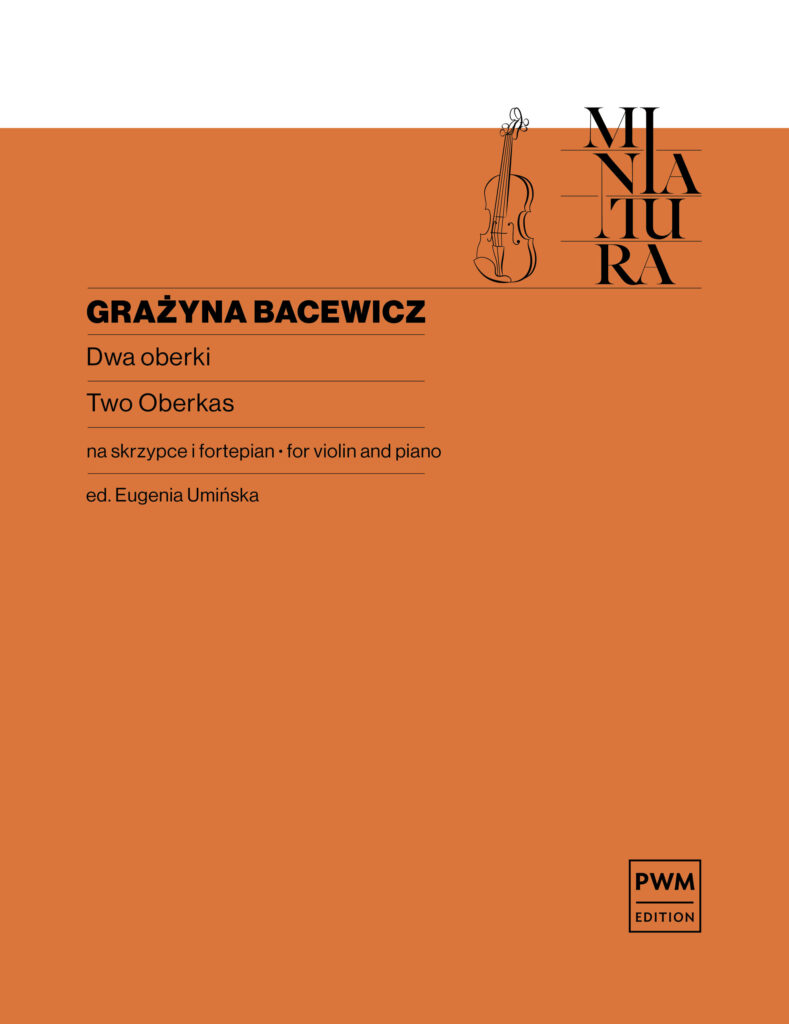
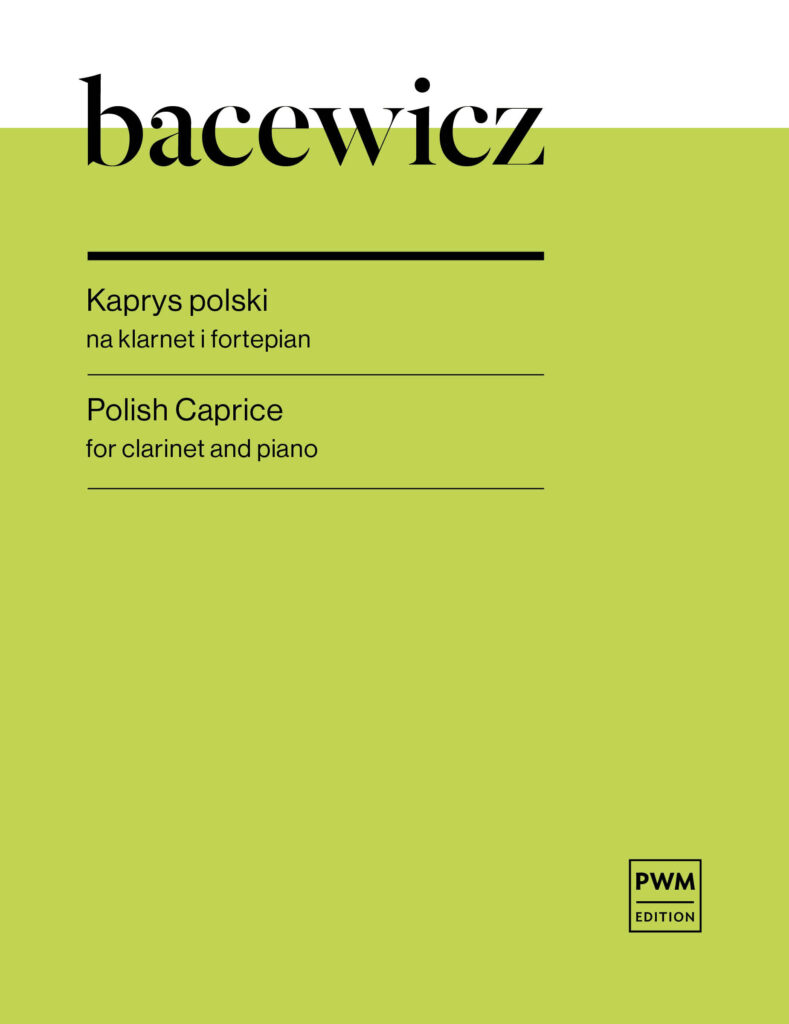
Publications
Discover Bacewicz!
Have a glimpse, hear the sound, then easily order our publications and play!